
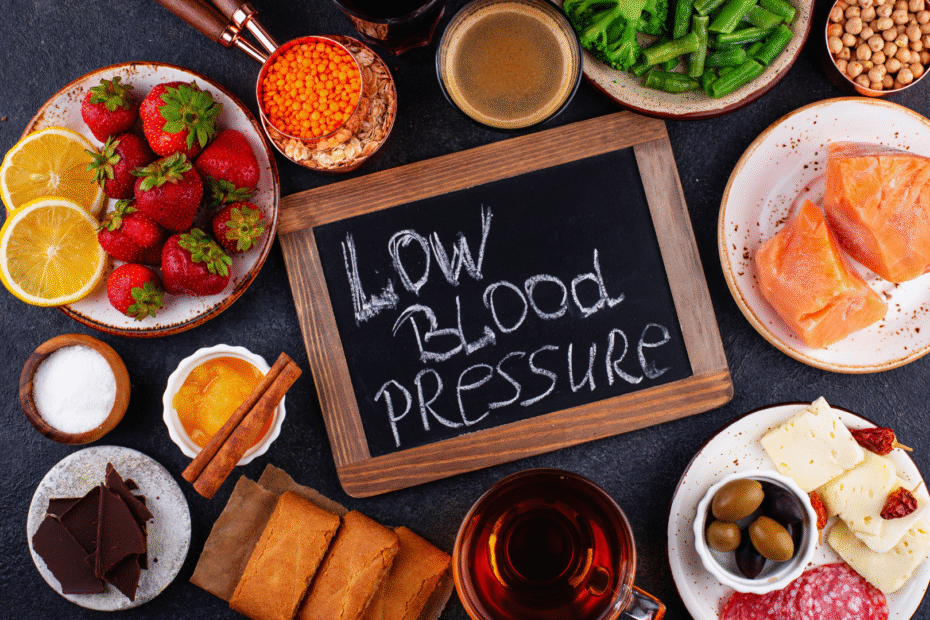
A healthy diet plays a crucial role in managing blood pressure levels and reducing the risk factors associated with hypertension. Foods that naturally lower blood pressure are an effective way to combat high blood pressure without relying solely on medication. Incorporating specific nutrients can help relax blood vessels and improve heart health.
Certain foods, such as leafy greens, berries, and fatty fish, are rich in potassium, magnesium, and omega-3 fatty acids, which have been shown to support heart function. By selecting a variety of these foods, individuals can take proactive steps toward maintaining optimal blood pressure levels.
Understanding the impact of diet on hypertension is essential for anyone looking to improve their cardiovascular health. Many individuals may not be aware of how simple dietary changes can lead to significant improvements in their overall well-being.
How Diet Influences Blood Pressure
Diet plays a crucial role in regulating blood pressure. Various nutrients and dietary patterns can either raise or lower blood pressure levels, significantly impacting cardiovascular health and overall well-being.
The Science Behind Blood Pressure and Nutrition
Blood pressure is influenced by multiple dietary factors. The body requires a balance of electrolytes such as sodium, potassium, magnesium, and calcium to maintain optimal blood pressure. High sodium intake can lead to water retention, increasing blood volume and pressure.
Conversely, potassium helps counteract the effects of sodium. Diets rich in potassium can promote vasodilation, which lowers blood pressure. Research supports that a diet focusing on these nutrients may reduce hypertension risks and improve heart health.
Role of Sodium and Salt Intake
Sodium is a primary contributor to elevated blood pressure levels. The American Heart Association recommends limiting sodium intake to less than 2,300 mg per day, ideally aiming for 1,500 mg for optimal health. Processed foods often contain excessive sodium, making it vital to read labels carefully.
Excessive salt intake can lead to hypertension and increase the risk of heart disease and stroke. Reducing salt in cooking and choosing fresh foods can help manage sodium levels effectively.
Essential Nutrients for Healthy Blood Pressure
Several nutrients are critical for maintaining healthy blood pressure:
- Potassium: Found in bananas, oranges, and spinach, it helps regulate sodium levels.
- Magnesium: Present in nuts, seeds, and whole grains, magnesium aids in vascular relaxation.
- Calcium: Important for muscle function, calcium helps control blood vessel contractions.
A balanced diet rich in these nutrients supports cardiovascular health and helps in blood pressure regulation.
Dietary Approaches to Stop Hypertension (DASH Diet)
The DASH diet is designed to lower blood pressure through dietary changes. It emphasises fruits, vegetables, whole grains, lean proteins, and low-fat dairy.
Key features of the DASH diet include:
- High in potassium, magnesium, and calcium
- Low in saturated fat, trans fat, and cholesterol
- Reduced sodium intake
Studies indicate that following the DASH diet can lower blood pressure within weeks. It provides a practical approach to improving dietary habits and promoting heart health.
Foods That Naturally Lower Blood Pressure
A variety of foods can contribute to lowering blood pressure by providing essential nutrients like potassium, magnesium, and fibre. Specific fruits, vegetables, whole grains, and nuts are particularly beneficial in supporting cardiovascular health.
Fruits and Vegetables
Many fruits and vegetables are rich in potassium, which helps balance sodium levels in the body. Bananas, for example, are an excellent source, containing about 400 mg of potassium per medium-sized fruit.
Beets are another powerful choice, as they are high in nitrates, which can improve blood flow and reduce blood pressure.
Berries, particularly blueberries, contain anthocyanins, which have been linked to lower blood pressure in some studies. Incorporating a colourful variety of these foods into the diet can provide significant health benefits.
Whole Grains and Oats
Whole grains, including oats, are packed with dietary fibre, which can help maintain healthy blood pressure levels. Oatmeal is particularly notable due to its soluble fibre content, which can reduce cholesterol levels and improve heart health.
Choosing whole grain bread and brown rice over refined alternatives also provides essential nutrients like magnesium. This mineral plays a crucial role in regulating blood pressure and is found abundantly in whole grains.
Regular consumption of whole grains can also lead to better weight management, further supporting cardiovascular health.
Nuts, Seeds, and Legumes
Nuts and seeds are nutrient-dense options, contributing healthy fats, magnesium, and fibre. Almonds and walnuts are particularly beneficial, as their high magnesium content can help lower blood pressure.
Legumes like lentils and chickpeas are also excellent choices. They are high in potassium, magnesium, and fibre, promoting heart health.
Incorporating a handful of nuts or a serving of legumes into meals can enhance overall nutrition and support healthy blood pressure levels.
Beneficial Proteins, Fats, and Flavourings
Incorporating specific proteins, fats, and flavourings into a diet can contribute to lowering blood pressure. Focusing on nutrient-rich sources enhances overall heart health, promoting a balance of essential fatty acids and beneficial compounds.
Fish and Omega-3 Fatty Acids
Fatty fish, such as salmon and mackerel, are abundant in omega-3 fatty acids, which are well-known for their heart-protective properties. These essential fats help reduce inflammation and can lower blood pressure by improving blood vessel function.
Consuming fish two to three times a week may benefit cardiovascular health. Omega-3 fatty acids have been linked to reduced stiffness in arteries and improved circulation. Including these fish in meals can provide a rich source of lean protein and healthy fats.
Low-Fat Dairy and Alternative Protein Sources
Low-fat dairy products like skim milk and yoghurt can support heart health, being lower in saturated fat while still providing necessary calcium and protein. These items may contribute to lower blood pressure levels, making them beneficial for those looking to improve their diet.
Alternative protein sources include legumes, nuts, and seeds. Beans and lentils are rich in fibre and protein while being low in fat. Incorporating low-fat dairy and plant-based proteins can help create meals that are both nutritious and supportive of cardiovascular health.
Heart-Healthy Oils and Spices
Using heart-healthy oils, such as olive oil and various vegetable oils, can replace saturated fats in cooking. These oils are rich in monounsaturated and polyunsaturated fats, which can benefit heart function and blood pressure regulation.
Spices and herbs, like garlic and cinnamon, have shown potential in promoting healthy blood pressure. Garlic contains allicin, which may help relax blood vessels. Incorporating these flavourings can not only enhance taste but also contribute beneficial compounds to dishes. Dark chocolate, high in flavonoids, can offer additional heart health benefits when consumed in moderation.
Lifestyle and Dietary Considerations for Managing Blood Pressure
Managing blood pressure effectively involves making informed choices about diet and lifestyle. Adjusting food intake and engaging in physical activities plays a crucial role in maintaining healthy blood pressure levels.
Limiting Processed Foods and Added Sugars
Processed foods often contain high levels of sodium, unhealthy fats, and added sugars, which contribute to elevated blood pressure. These items can be prevalent in packaged snacks, ready meals, and sugary drinks.
A diet rich in whole, unprocessed foods is advisable. Fresh fruits, vegetables, whole grains, and lean proteins should be the focus. These foods provide essential nutrients without excessive sodium and unhealthy fats.
Reducing added sugars is also critical. High sugar intake can lead to obesity, increasing the risk of hypertension. Reading nutrition labels can help individuals make healthier choices.
Weight Management and Physical Activity
Maintaining a healthy weight is essential for blood pressure control. Obesity can lead to hypertension and other cardiovascular issues. Therefore, achieving weight loss through dietary changes and exercise is beneficial.
Regular physical activity, such as brisk walking, cycling, or swimming, can aid in weight management. Aim for at least 150 minutes of moderate exercise each week. This not only helps reduce weight but also improves cardiovascular health.
Incorporating strength training exercises twice a week can further enhance metabolic health. It can help lower cholesterol and prevent insulin resistance, which is essential for those managing diabetes.
Alcohol and Smoking Cessation
Alcohol consumption should be moderated. Excessive drinking can raise blood pressure and contribute to weight gain. The recommended limit is up to 14 units per week for both men and women, spread over three or more days.
Quitting smoking is equally vital for blood pressure management. Smoking damages blood vessels and contributes to heart disease. Many resources are available to support individuals in their cessation efforts.
Adopting these lifestyle changes can significantly reduce the risk of hypertension and improve overall health.