
Building a positive body image often begins with intentional self-care practices that nurture both mind and body. It involves recognising worth beyond physical appearance and fostering habits that promote health and well-being.
Self-care supports a more realistic and compassionate view of oneself, helping to reduce negative thoughts and build confidence over time. By focusing on kindness to oneself rather than perfection, a more balanced and positive body image can develop.
Understanding how to prioritise self-care in daily life allows individuals to take control of their body image journey. This approach encourages steady progress through mindful actions rather than quick fixes or external validation.
Understanding Positive Body Image and Self-Care
Building a positive view of one’s body requires recognising how self-care practices influence feelings and attitudes. The relationship between body image, self-esteem, and overall well-being is complex but can be positively shaped with intentional actions and mindset shifts.
Defining Positive Body Image
Positive body image means accepting and appreciating one’s body, regardless of societal ideals or imperfections. It involves recognising the body’s functionality and valuing its uniqueness rather than just focusing on appearance.
This sense of acceptance is not fixed; it can grow with conscious effort. Key aspects include:
- Seeing the body as deserving of respect and care
- Rejecting unrealistic beauty standards
- Not relying on external validation for self-worth
Positive body image improves confidence and reduces emotional distress linked to body dissatisfaction.
Self-Care as a Foundation for Body Image
Self-care strengthens body image by fostering respect and attention to physical and mental health. It includes actions such as adequate sleep, balanced nutrition, regular physical activity, and mental relaxation.
Practising self-care encourages a focus on well-being rather than appearance alone. This can mean:
- Listening to the body’s needs
- Setting boundaries to reduce stress
- Engaging in activities that promote joy and relaxation
Regular self-care routines build a positive feedback loop, improving both how a person feels in their body and how they view it.
The Connection Between Body Image, Self-Esteem, and Well-Being
Body image significantly influences self-esteem, which is the overall evaluation of one’s worth. A healthy body image supports higher self-esteem, enabling better emotional resilience and life satisfaction.
Conversely, negative body image can lower self-esteem, leading to anxiety, depression, and reduced well-being. They are interconnected in the following ways:
| Factor | Impact on Self-Esteem | Effect on Well-Being |
| Positive Body Image | Builds confidence and self-worth | Enhances mental and physical health |
| Negative Body Image | Lowers self-worth | Increases risk of psychological distress |
Improving body image through dedicated self-care not only strengthens self-esteem but also promotes long-term mental and physical health.
Practical Self-Care Strategies for Building a Positive Body Image
Positive body image improves with deliberate actions that strengthen self-worth and appreciation for the body’s abilities. Grounding these actions in daily habits can foster lasting self-compassion and a greater quality of life.
Cultivating Self-Compassion and Self-Acceptance
Self-compassion involves treating oneself with kindness during moments of perceived failure or imperfection. It requires recognising that imperfection is part of the human experience, not a personal flaw. Practising self-acceptance means acknowledging body changes, limitations, or differences without harsh judgment. For some people, this journey of acceptance includes making changes to their physical form to feel more comfortable. When diet and exercise do not address loose skin or stretched muscles after pregnancy or weight loss, surgical options like a Tummy Tuck Beverly Hills are sometimes considered. This type of decision is deeply personal and works best when combined with a healthy mental outlook. Ultimately, the goal is to align one’s physical self with their inner sense of well-being.
Techniques include journaling positive traits unrelated to appearance and reframing negative inner dialogue. Building self-compassion supports resilience against societal pressures and reduces comparison-driven dissatisfaction. This mindset helps individuals value their bodies for function and presence rather than purely for aesthetics.
Incorporating Mindfulness and Positive Affirmations
Mindfulness encourages awareness of present sensations, reducing automatic negative thoughts about the body. Regular mindfulness exercises, such as meditation or focused breathing, help individuals observe thoughts without judgment. This creates space to challenge harmful beliefs.
Positive affirmations about the body can counterbalance critical self-perceptions. Statements like “My body deserves care and respect” promote internal acceptance and reinforce self-worth. Repeating affirmations daily, especially during stressful or triggering moments, strengthens a constructive mindset and encourages body appreciation.
Establishing Healthy Eating and Nutrition Habits
Focusing on nutrition rather than dieting supports a positive body relationship. Eating balanced meals rich in whole foods provides the necessary nutrients to sustain energy and well-being. Viewing food as fuel emphasises body function over appearance.
Practising mindful eating, such as paying attention to hunger and fullness cues, prevents restrictive or emotional eating. Avoiding food guilt and rigid rules encourages a sustainable connection with food. Prioritising nutrition improves both physical health and mental outlook, reinforcing respect for the body’s needs.
Benefits of Physical Activity and Exercise
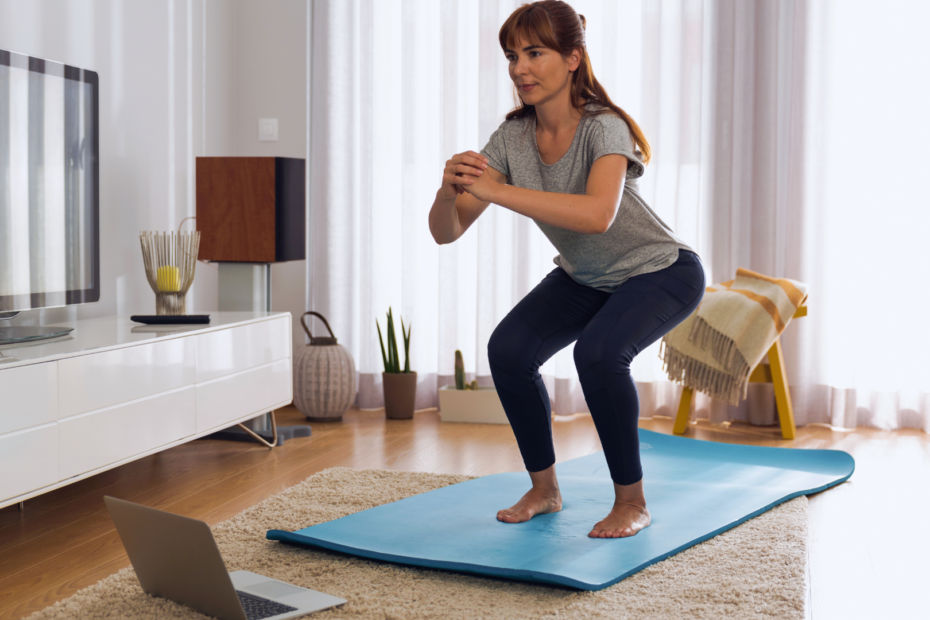
Physical activity contributes to body appreciation by enhancing strength, flexibility, and endurance. Exercise releases endorphins, which improve mood and overall feeling of self-worth. It shifts focus from appearance to the ways the body moves and responds.
Choosing enjoyable activities increases consistency and benefits mental health. Activities like walking, swimming, or yoga promote mindfulness and body connection. Regular exercise supports both physical health and psychological resilience, reinforcing a positive self-image anchored in capability rather than looks.
Addressing Negative Influences and Barriers
Negative body image often stems from internal thoughts and external pressures. Addressing these requires recognising harmful thought patterns and the impact of social environments.
Challenging Negative Thoughts and Negative Self-Talk
Negative thoughts and self-talk are key barriers to a positive body image. When individuals repeatedly focus on perceived flaws, they reinforce body dissatisfaction.
To counter this, they can practice monitoring their inner dialogue and replacing critical comments with neutral or positive affirmations. Techniques like cognitive restructuring help identify distortions, such as all-or-nothing thinking or overgeneralisation.
For example, instead of thinking “I look terrible today,” a more balanced thought might be “I am focusing too much on minor imperfections.” This shift reduces emotional distress linked to negative self-perception.
For some people, self-acceptance also involves making personal choices about their physical appearance through cosmetic procedures. When done for personal satisfaction rather than external pressure, these choices can align with a positive self-image. For instance, individuals who choose to undergo a brazilian butt lift Houston often do so to feel more comfortable and confident in their own skin. This type of decision is a personal form of body care that focuses on personal goals and comfort. Ultimately, the path to body confidence is unique for everyone, and it can include both internal mindset shifts and external changes.
Recognising the Impact of Social Comparison and Media Influence
Social comparison often drives feelings of inadequacy. On social media, individuals frequently compare their bodies to edited or curated images that do not reflect reality.
This comparison can lead to increased body image concerns and lower self-esteem. Recognising the selective nature of online content is crucial.
They should limit exposure to harmful media and follow accounts promoting diverse and realistic body types. Mindfulness techniques can also reduce the automatic nature of comparison, supporting a healthier self-view.
Counteracting Unrealistic Beauty Standards and Teasing
Unrealistic beauty standards are perpetuated by mass media and cultural norms, influencing body dissatisfaction in many people. Teasing about appearance, whether in childhood or adulthood, reinforces negative body image.
Addressing these barriers involves understanding that these standards are socially constructed and often impossible to meet. Educating oneself about diversity in body shapes and sizes can improve acceptance.
Setting boundaries against teasing and seeking support from trusted individuals helps to reduce the emotional harm caused by these negative experiences.
Fostering a Supportive and Inclusive Environment
Creating a foundation of support and acceptance strengthens self-image and encourages healthier habits. Recognising diverse experiences and building mental resilience are essential steps toward maintaining a positive body image.
Seeking Support from Therapists and Supportive People
Therapists play a crucial role in addressing underlying mental health issues related to body image, such as eating disorders or low self-esteem. Professional guidance helps individuals develop coping strategies and reframe negative thought patterns.
Supportive people, including friends and family, provide emotional encouragement that reinforces positive self-image. Choosing relationships that foster respect and understanding promotes consistent body acceptance. Avoiding those who reinforce harmful stereotypes or criticism is equally important.
Regularly discussing body image concerns with trustworthy individuals reduces feelings of isolation. This open dialogue bolsters mental health and encourages constructive self-care habits.
Promoting Diversity, Inclusivity, and Body Positivity
Embracing diversity in media and social circles challenges narrow beauty standards. Inclusive representation of various body types, ethnicities, and abilities fosters a broader understanding of health and attractiveness.
Body positivity encourages acceptance of natural variations in appearance instead of striving for unrealistic ideals. This mindset reduces shame and supports mental well-being.
Organisations and communities that prioritise inclusivity can effect cultural shifts. They enable individuals to feel valued regardless of their physical traits, enhancing self-worth and reducing stigma around body image.
| Key Actions | Impact |
| Showcasing diverse role models | Broadens definitions of beauty |
| Promoting inclusive language | Fosters respectful dialogue |
| Creating safe spaces for sharing | Builds acceptance and support |
Building Resilience and a Positive Mindset
Resilience is the capacity to recover quickly from setbacks related to self-image or external judgments. Developing this skill involves recognising negative influences and consciously replacing them with affirming thoughts.
Techniques such as mindfulness, journaling, and setting realistic goals improve mental strength. These practices enable individuals to maintain body acceptance despite societal pressures.
A positive mindset focuses on valuing the body’s functions and what it can do rather than appearance alone. This shift reduces vulnerability to harmful comparisons and strengthens overall well-being.