
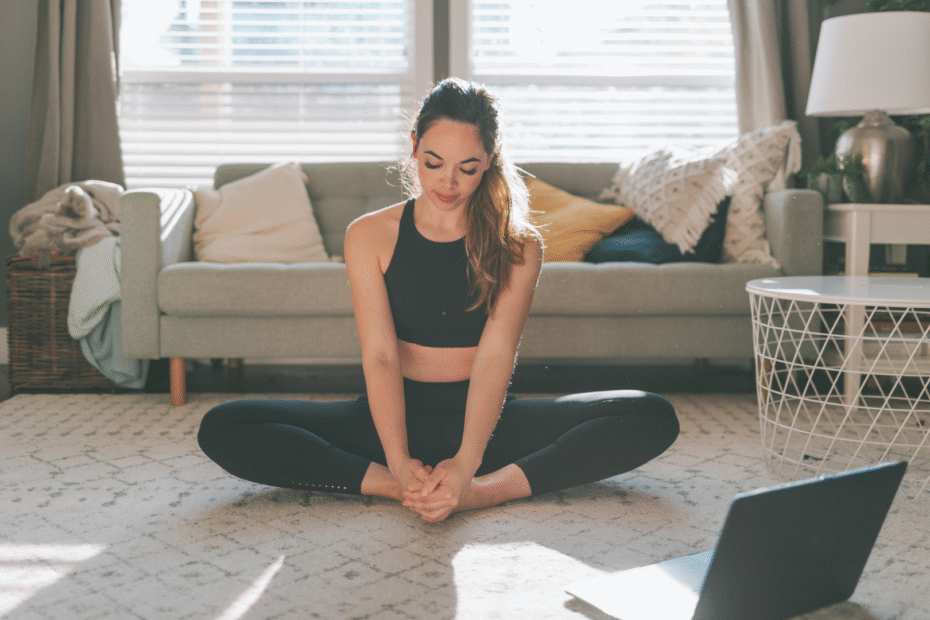
For those looking to stay fit without setting foot in a gym, home workouts using body weight can be highly effective. These exercises can strengthen muscles, improve flexibility, and boost cardiovascular health, all without the need for any equipment. This accessibility makes them ideal for anyone, regardless of fitness level or space constraints.
Bodyweight workouts can be tailored to meet personal goals, whether aiming to lose weight, build strength, or enhance endurance. Simple movements like push-ups, squats, and planks can be combined into a comprehensive routine that keeps the body engaged. The diversity of exercises available ensures that boredom is kept at bay.
Venturing into home workouts provides the perfect opportunity to develop a consistent routine that fits seamlessly into a busy lifestyle. With no gym membership required and a minimal time commitment, these workouts empower individuals to take charge of their fitness journey from the comfort of their homes.
Essential Principles of Home Workouts Without Equipment
Exercising at home without equipment requires knowledge of bodyweight movements, an understanding of the associated benefits, and awareness of common pitfalls. These principles can significantly enhance the effectiveness of workouts.
Understanding Bodyweight Exercises
Bodyweight exercises utilise an individual’s own mass as resistance. This category includes movements like push-ups, squats, lunges, and planks. They engage multiple muscle groups and can be modified to suit various fitness levels.
A proper understanding of form is crucial. Engaging the core, maintaining correct posture, and controlling movements help prevent injuries. Timing and consistent effort in these exercises can lead to improved strength, stability, and endurance.
Incorporating variations, such as one-legged squats or plyometric push-ups, can increase the challenge as fitness improves. This adaptability makes bodyweight exercises effective for anyone seeking a versatile workout routine.
Benefits of Equipment-Free Training
Training without equipment offers several advantages. It provides convenience, as workouts can occur anywhere and at any time, reducing barriers to physical activity. This flexibility can lead to greater consistency and improved adherence to fitness routines.
Additionally, bodyweight exercises can enhance overall quality of life. They improve cardiovascular fitness, muscle strength, and flexibility. Engaging in regular physical activity also positively impacts mental well-being by reducing stress and anxiety.
Moreover, equipment-free workouts can be easily tailored to individual goals. Whether aiming for weight loss, muscle toning, or endurance, bodyweight routines can be adjusted accordingly, ensuring effective progression.
Common Mistakes to Avoid
Despite their benefits, individuals often make mistakes that can hinder progress. A frequent error is prioritising quantity over quality; performing numerous repetitions without proper form can lead to injuries.
Another pitfall is neglecting warm-up and cool-down routines. Skipping these can increase the risk of strains and limit recovery. Both warm-ups and cool-downs help prepare muscles and reduce post-exercise soreness.
Lastly, individuals may underestimate the importance of variety. Relying on the same routine can lead to plateaus. Changing movements, intensity, and duration keeps workouts engaging, challenges the body, and promotes continual improvement.
Designing an Effective Home Routine
Creating an effective home workout routine involves setting achievable fitness goals, developing a consistent schedule, and ensuring proper warm-up and cool-down practices. Focus on these elements for a routine that maximises results and minimises the risk of injury.
Setting Realistic Fitness Goals
Establishing clear, measurable goals is essential for motivating an individual to stick to a routine. Goals can vary, such as increasing endurance, building strength, or improving flexibility.
Using the SMART criteria can enhance goal-setting:
- Specific: Define the objective clearly.
- Measurable: Determine how to track progress.
- Achievable: Set goals that are realistically attainable.
- Relevant: Align goals with personal interests and lifestyle.
- Time-bound: Establish a timeline for achieving each goal.
This structured approach helps ensure that the goals are meaningful and attainable, leading to a higher likelihood of success.
Scheduling and Progress Tracking
Creating a consistent schedule is crucial in maintaining motivation and building a sustainable routine. Individuals should carve out specific times during the week dedicated to workouts, treating them as fixed appointments.
Tracking progress promotes accountability. This can be accomplished through:
- Workout logs: Document exercises, durations, and repetitions.
- Apps: Use fitness tracking applications to log activities and monitor improvements.
- Weekly check-ins: Review performance every week to adjust routines as needed.
Regular assessment enables individuals to celebrate milestones and make changes to align with evolving fitness goals.
Incorporating Warm Up and Cool Down
Incorporating a warm-up and cool-down phase enhances workout safety and effectiveness. A warm-up elevates the heart rate and prepares muscles for physical activity, reducing the risk of injury.
Ideal warm-up exercises include:
- Dynamic stretches (e.g., leg swings, arm circles)
- Light aerobic movements (e.g., jogging in place, jumping jacks)
Post-workout, a cool-down is crucial for reducing muscle soreness and aiding recovery. Effective cool-down practices include:
- Static stretching (e.g., holding quadriceps and hamstring stretches)
- Deep breathing exercises to lower the heart rate
These practices ensure a balanced approach to physical activity, contributing to better overall performance.
Top Home Workouts Without Equipment
Home workouts offer a versatile way to maintain fitness without the need for specialised equipment. The following sections highlight beneficial exercises in four key areas: strength training, aerobic exercise, flexibility, and mind–body approaches.
Strength Training with Bodyweight Movements
Bodyweight exercises are essential for developing strength without equipment. Key movements include:
- Push-ups: Targets the chest, shoulders, and triceps. Variations such as incline or decline push-ups can increase difficulty.
- Squats: Focuses on the legs and glutes. Variations like jump squats add a cardio element.
- Lunges: Engages multiple muscle groups. Forward, backwards, and lateral lunges can enhance balance and coordination.
Incorporating these exercises consistently can build lean muscle. A workout can include three sets of each exercise, with 10-15 repetitions per set.
Aerobic Exercise and Cardio Routines
Cardiovascular workouts elevate heart rate and improve endurance. Effective bodyweight cardio exercises include:
- Burpees: Engage the entire body and provide a high-intensity workout.
- High Knees: Increases heart rate while improving agility and flexibility.
- Mountain Climbers: Combines core strength with cardiovascular endurance.
A recommended routine might involve 20-30 seconds of each exercise, followed by a short rest period. This format keeps the heart engaged and burns calories efficiently.
Flexibility and Mobility Practices
Improving flexibility and mobility is vital for overall fitness. Essential practices include:
- Dynamic Stretching: Incorporates movements such as leg swings and arm circles to prepare muscles for activity.
- Static Stretching: Focuses on holding stretches for 20-30 seconds post-workout. Common stretches include hamstring and quadriceps stretches.
- Foam Rolling: Helps release muscle tightness and increase blood flow, improving mobility.
Regularly integrating these practices can enhance physical performance and reduce injury risk.
Mind–Body Approaches: Yoga and Pilates
Both yoga and Pilates focus on core strength, flexibility, and mental clarity. Key elements include:
- Yoga: Encourages mindfulness through poses like Downward Dog and Warrior poses. This practice enhances flexibility and strength.
- Pilates: Emphasises core stability with exercises such as the Hundred and Leg Circles. It improves posture and muscle control.
These practices can be performed independently or combined for a holistic approach. Regular participation promotes balance between physical and mental fitness, contributing to overall well-being.
Safety, Guidance and Enhancing Results
Ensuring safety and effectiveness in home workouts is essential for achieving personal fitness goals. Adapting exercises for various fitness levels, utilising professional guidance, and focusing on long-term wellness can significantly enhance results.
Adapting Workouts for Different Fitness Levels
It’s crucial to modify workouts based on individual fitness levels. Beginners may start with basic bodyweight exercises, such as squats or push-ups against a wall. As strength and endurance improve, they can progress to more challenging variations.
Here are a few tips for adapting exercises:
- Start with foundational movements like lunges and planks.
- Increase intensity gradually by adding repetitions or adjusting the time spent on each exercise.
- Listen to the body and avoid pushing through pain.
Selecting appropriate exercises helps to prevent injury and encourages sustained participation in physical activity.
The Role of a Physical Therapist
Engaging with a physical therapist can be beneficial, especially for those with pre-existing conditions or injuries. A qualified therapist can provide tailored exercise programmes that consider an individual’s limitations.
Key aspects of working with a physical therapist include:
- Assessment of movement patterns to identify weaknesses or pain triggers.
- Instructions on proper form to minimise injury risk.
- Personalised modifications to standard exercises for safer workouts.
Regular sessions can help maintain motivation and support progress towards fitness goals.
Improving Long-Term Quality of Life
Regular physical activity is linked to improved quality of life. It can enhance mobility, strength, and stability, which are vital components of daily living.
Benefits of consistent home workouts include:
- Reduced risk of chronic diseases such as obesity and diabetes.
- Enhanced mental well-being, leading to better mood regulation.
- Increased social engagement, especially through group online classes.
Making fitness a routine part of daily life contributes to sustained health improvements and greater life satisfaction.